

Plate clamp rail
Plate clamp rail for quick plate changes on short-run commercial work.
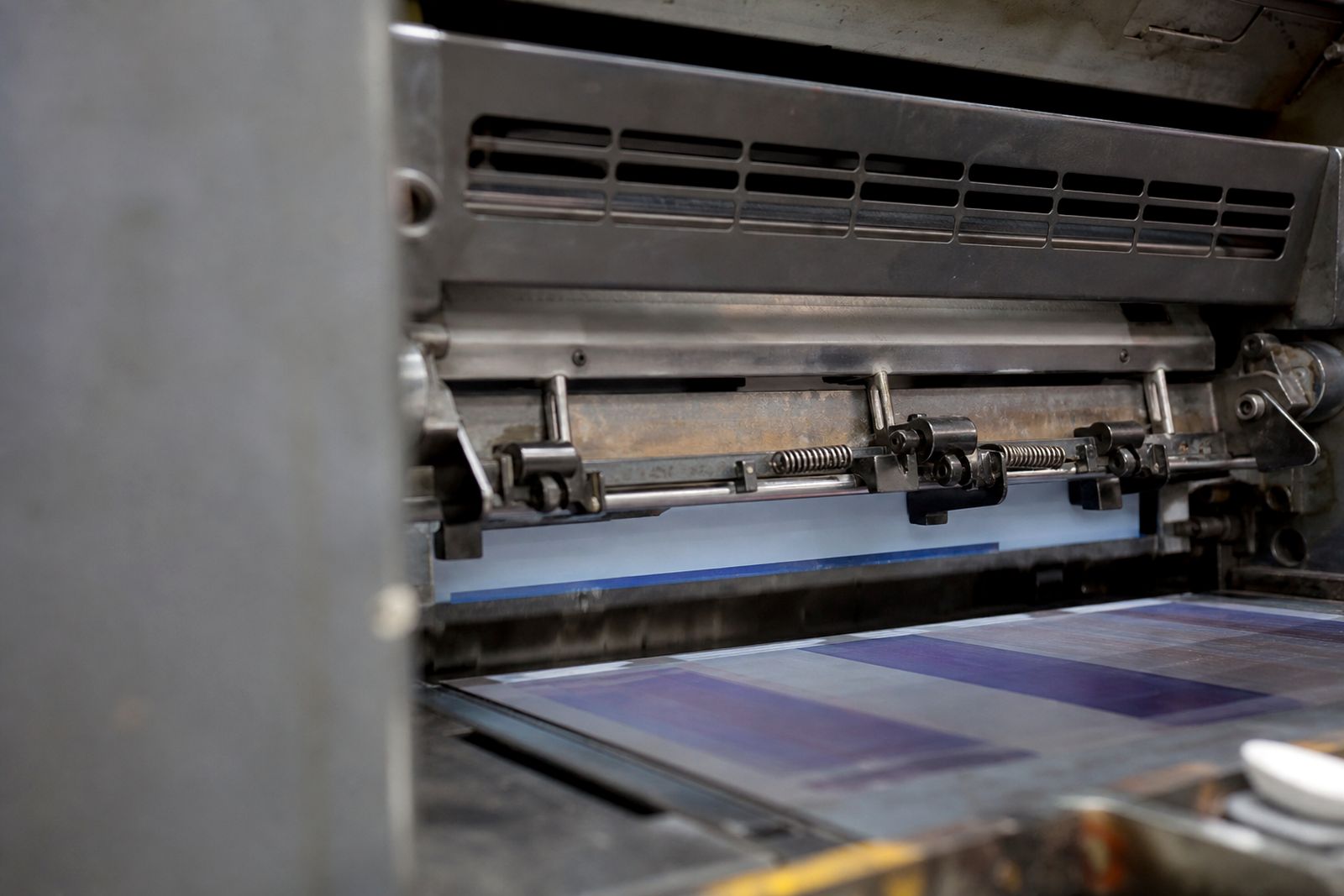
Clamp rail use at plate change
A plate clamp rail sits at the business end of a fast changeover. It carries the plate edge square into the clamp, so the operator is not fighting skew while the cylinder is turned by hand. On short commercial runs in South African print rooms, that saves waste when one SKU follows another on the same unit.
Most crews fit a clamp rail where repeat plate loading matters more than long uninterrupted runs. Aluminium rails are common, with a straight machined face that helps the plate sit evenly before lock-up. For SRA and B2 commercial work, the rail is checked against the clamp width and the punch system before plates are brought to press.
Before the run starts, pull one plate and reload it to confirm the edge enters cleanly across the full width. Any burr on the rail, dried gum on the clamp, or uneven clamp pressure will show up as slow loading or side creep. A quick phone photo of the first sheet in register is useful after a stop, especially when a power cuts break interrupts the same job.
What the rail kit affects
A clamp rail kit changes plate handling more than print settings, but the gain shows on makeready sheets. Register comes in with less chasing after a plate swap, and repeat work is easier to return to after a wash-up. If another layout suits the job better, see Runs for the press sequence.
Match the rail setup to the plate punch, clamp style, and the way your crew loads plates on shift. Keep the note beside Makeready close at hand so clamp pressure checks and first-sheet checks follow the same wording. When using our contact form, include press model, plate size, and whether the rail is for a single unit or a full set.
- Plate edge enters square across clamp
- Rail face checked for burrs and wear
- Clamp pressure tested after plate swap
- Related: runs and makeready for changeovers
Pressroom conditions affecting clamp rails
Heat, dust, and humidity all affect how tidy a plate change feels at the clamp. Highveld dust can build up on the rail and clamp mouth, while coastal plants need to watch for oxidation and light surface staining on stored components. The rail does not replace correct punching or proper clamp adjustment, but it gives the crew a more repeatable loading point.
In Cape Town and Durban, salt air makes regular wipe-downs worthwhile if spare rails are kept near the press. Inland rooms around Gauteng often spend more time clearing paper dust and dried ink mist from the clamp area. If the plant is comparing options, mention that in your email and we can direct you to colour bar scanner or pressroom spares kit where those suit the brief better. Keep the makeready lamp check separate from the colour bar read when both happen at the same bench.
Checks before lock-up
| Format / band | Clamp rail kit |
|---|---|
| Screen / role | n/a |
| Notes | Keeps register honest on SKU swaps |
Confirm rail alignment, clamp opening, and plate edge condition before the cylinder is brought up to speed. One short sheet for trial loading is often enough to show whether the plate is entering straight and locking evenly. If you need dimensions for a press bay or clamp area, use the contact form and name the rail page.
Related pages
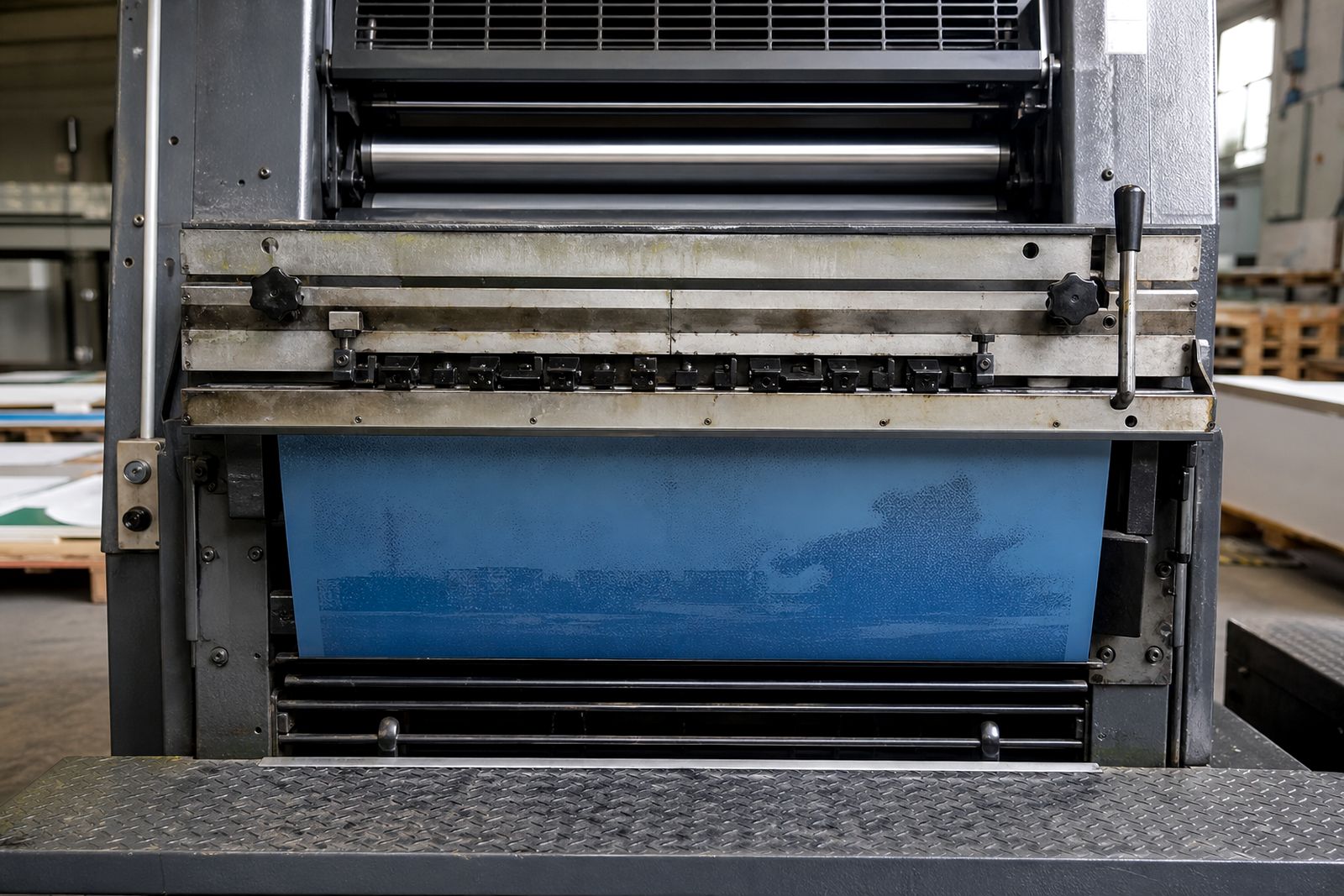
Plate Clamp Rail process
Plate clamp rail for quick plate changes on short-run commercial work.
Read more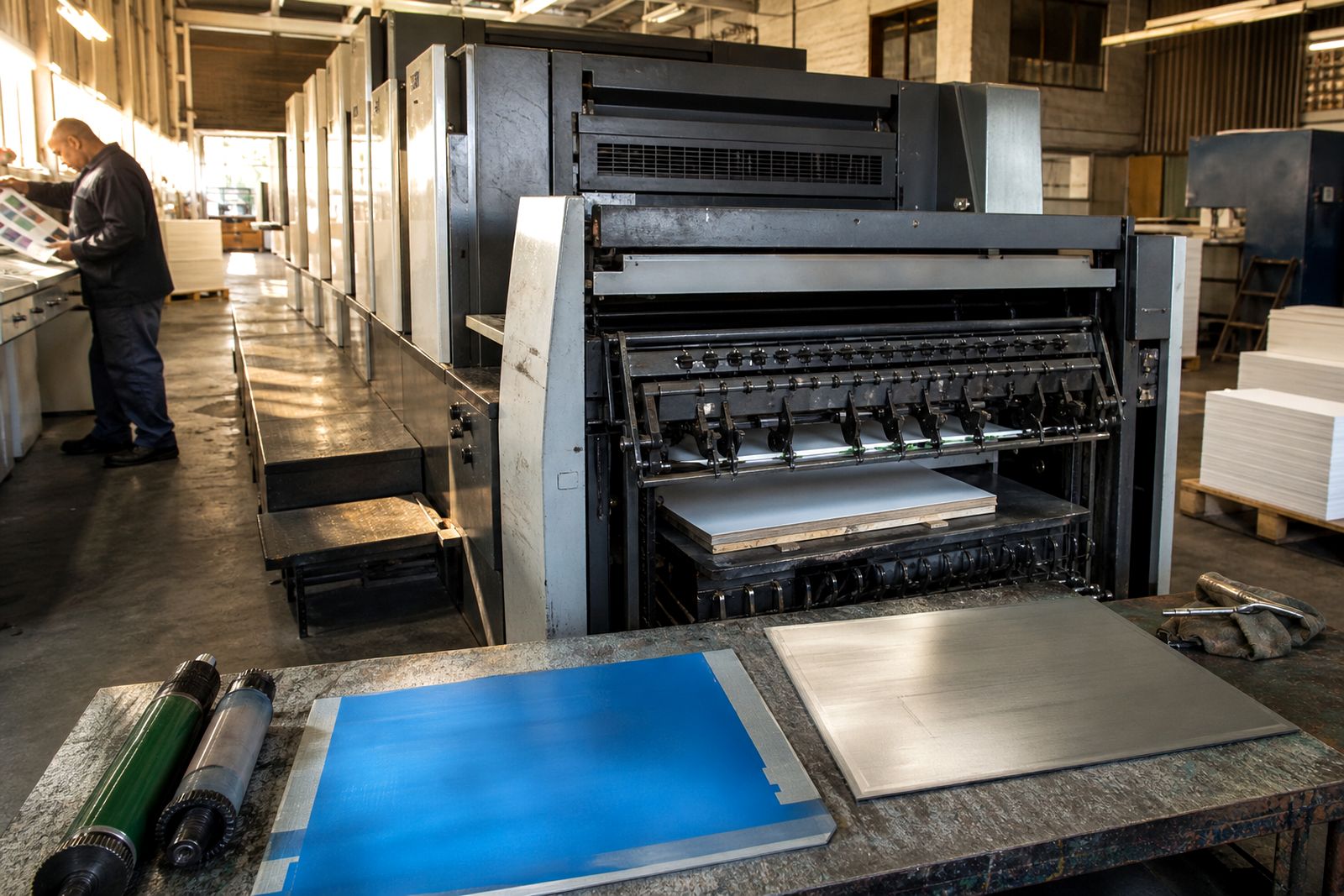
Plate Clamp Rail service
Plate clamp rail for quick plate changes on short-run commercial work.
Read more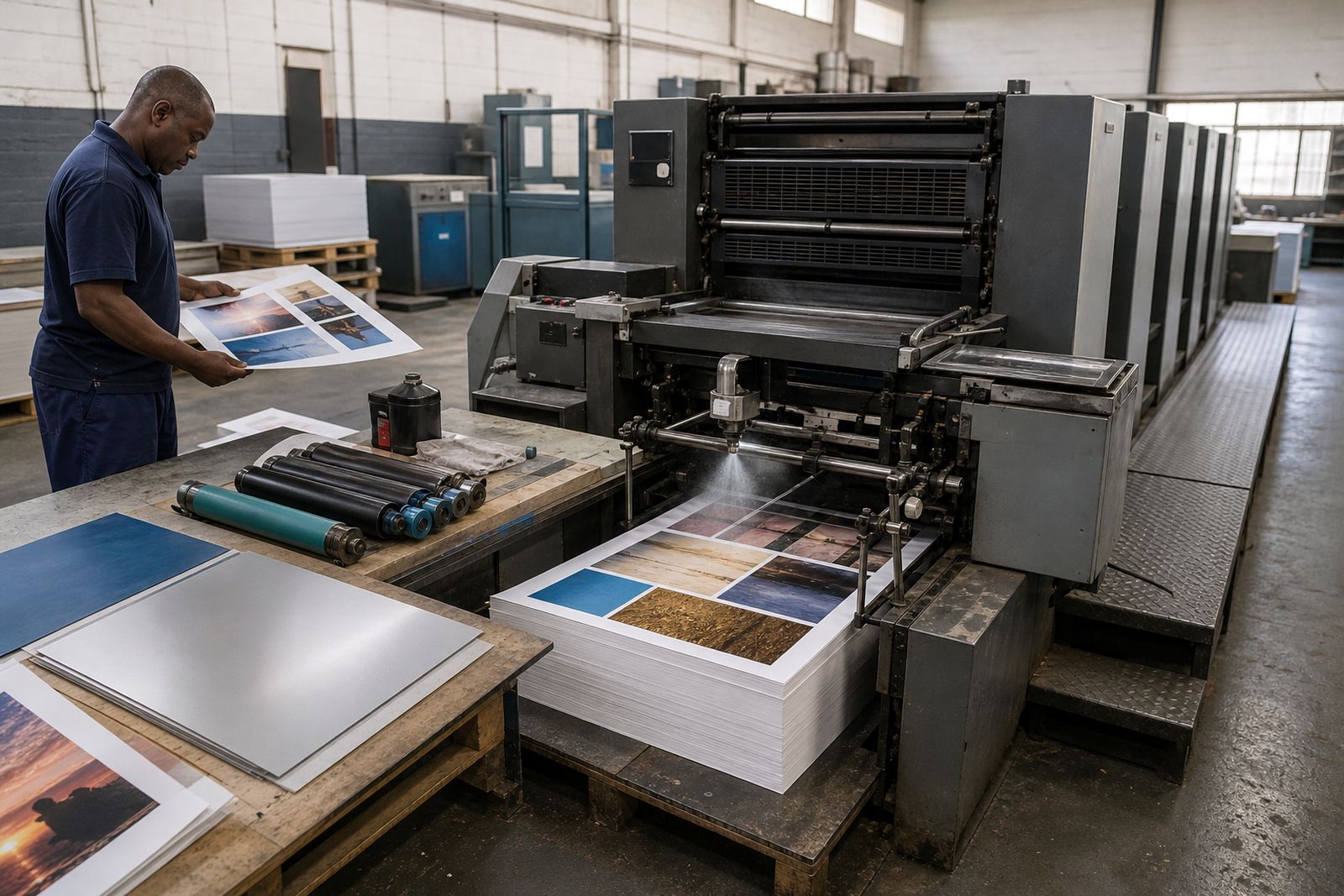
Soft powder spray
Soft powder spray guidance for heavy ink sheets that need cleaner backs and less blocking in the delivery pile.
Read moreWhat our Offset Printing customers say
Verified Google reviews
Tell us what your press room is running
Send a note through our contact form with your press make and format, the stocks and run lengths you handle, the plates, chemistry or blankets you use and your town, and we will come back with practical advice and a quote.
Open the contact form