

Plate Clamp Rail service
Plate clamp rail service covers clamp edge wear, rail straightness, and the small hardware that starts causing plate creep on repeat jobs. Before a site visit, note the press model, plate width, and whether movement shows at the lead edge, tail, or operator side. A close photo of the rail face and clamp screws helps separate damage from setup error.
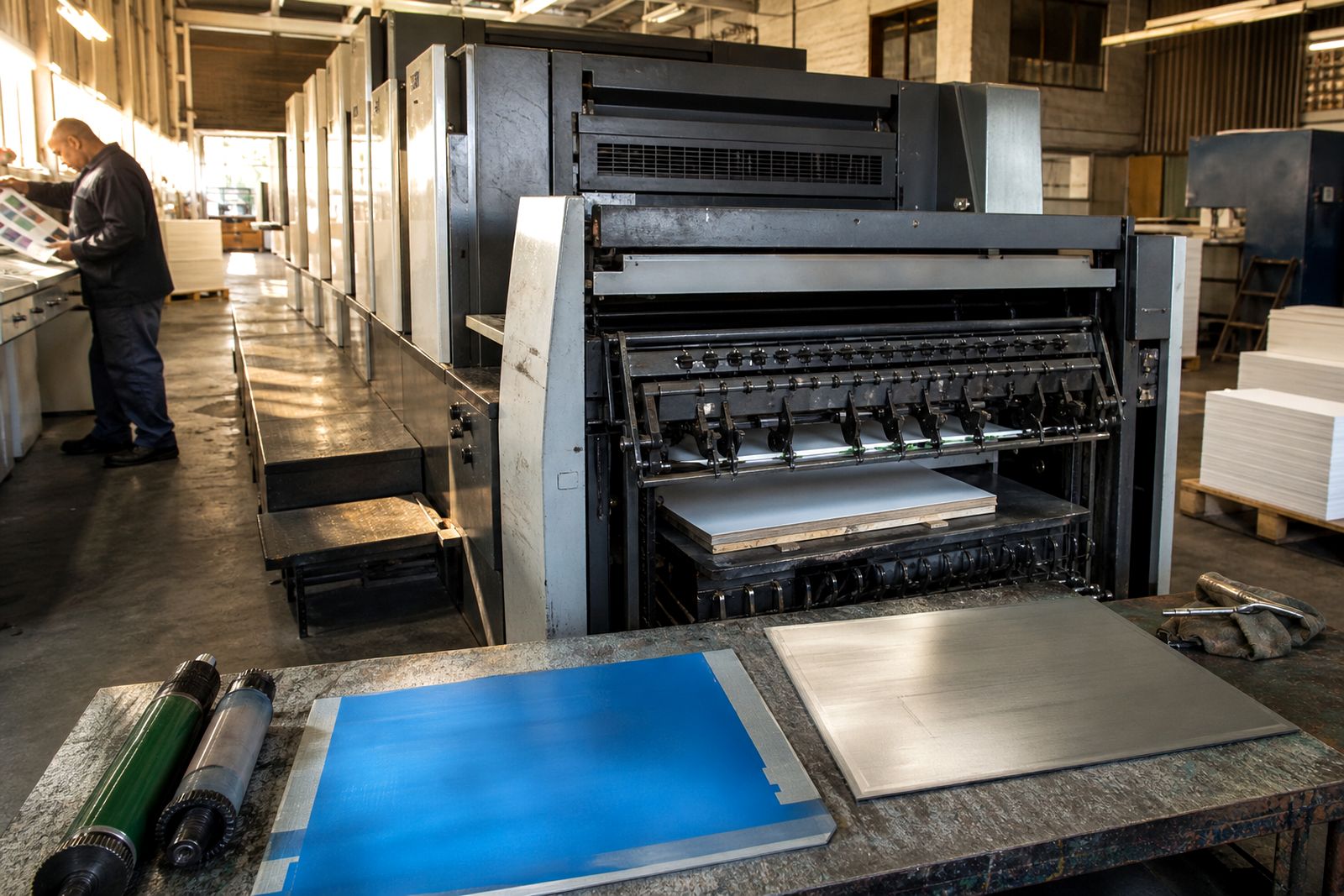
Clamp edge wear points
A plate clamp rail takes constant contact from bends, punches, and repeated lock-up on busy commercial work. On coastal sites, fine corrosion around the rail face and screw seats can stop the plate from pulling up evenly, especially after weekend shutdowns. Keep it with your spares kit list if you hold spare clamp screws, springs, and rail shims in the bay.
- Check rail face for nicks and burrs
- Monthly packing gauge check
- Quarterly spare kit review
Before booking a plate clamp rail visit, use the contact form with the unit name, press model, and whether the issue sits at operator side or gear side. Add a close photo of rail wear, clamp marks on the plate tail, or any repeat register movement after lock-up. Planned stop times matter in South African plants, so note your power window and the shift when the fault appears.
Plate clamp rail on a real shift
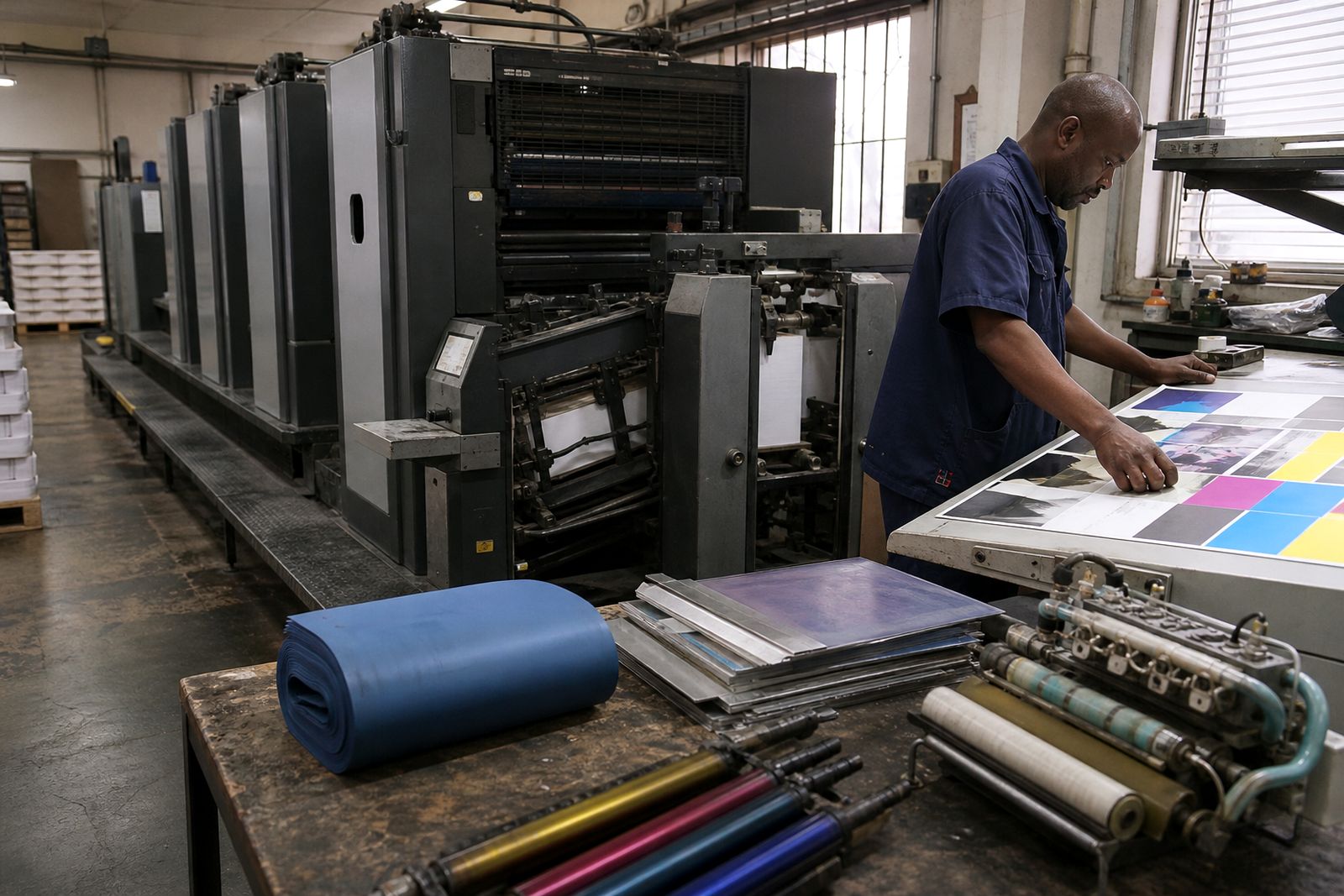
Plate register often starts going off for ordinary reasons: a scored rail, uneven clamp pressure, or a spring that has lost tension on one side. On South African commercial presses, that shows up fast during SKU swaps where the crew is changing plates more than once per shift. Plate clamp rail service focuses on the part that secures the plate squarely, so image position stays consistent from makeready into the sellable pile. The notes suit Montague Gardens print rooms, Isando sheetfed plants, and coastal shops dealing with salt air on exposed metal parts.
Begin with the plate type, punch standard, and cylinder format. Long perfector jobs and short flyer reruns do not load the clamp rail in the same way, and carton work can highlight weakness that ordinary 115 gsm coated stock hides. We record clamp feel, screw condition, and any side-to-side difference that an operator can detect during lock-up. The point is not a long manual but a usable reference beside the unit when plates are being changed in a rush.
Keep one marked sample from the first stable pull after a rail adjustment. That sheet, together with the locked plate position, gives the crew a reliable comparison if the same image starts walking on the next repeat run. On presses running multiple language versions, this small record often shows whether the issue follows the plate set or stays with one unit.
What gets checked on site
The service normally ends with the clamp rail condition noted by unit, the likely wear items listed, and any setup cautions written for the next plate change. We check whether the rail is holding evenly across the width rather than chasing impression problems that belong elsewhere. If a broader press sequence is the better fix, we point you to Runs for the matching production steps.
Read the rail notes together with Makeready before changing several variables at once. Plate creep, diagonal register movement, and poor leading-edge seating can look similar from the delivery end, so send your stock, plate gauge, and the unit number through our contact form when asking about the fault. It also helps to mention whether the problem appears on fresh plates only or returns after a wash-up and restart. If a packing gauge reading changed at the same time, include that in the message.
- Lead edge seating checked before first pull
- Clamp pressure compared across full plate width
- Worn screws and springs noted per unit
- Related: runs and makeready notes for register
Pressroom conditions affecting rails
This service is written for South African sheetfed conditions where dust, humidity shifts, and stop-start power events all affect metal parts differently. Cape Town coastal air can leave light corrosion on clamp components, while Highveld dust works into moving points and makes wear harder to spot until a plate slips. The rail notes stay grounded in what the press crew can inspect during ordinary maintenance without stripping half the unit.
Salt air tends to mark exposed clamp hardware first, especially on presses parked over long weekends. Inland plants often see more dry contamination around screws and rail grooves, which changes how the clamp seats during repeated remakes. A booked press discussion is useful when one unit keeps losing side register while the rest of the machine stays steady. If your team has moved beyond basic checks, mention that in your email and we can direct you to Colour Bar Scanner or pressroom spares kit where those fit the fault. Also separate lamp checks from clamp diagnosis when inspection lights and densitometry share the same table.
Rail details worth recording
| Format / band | Clamp rail kit |
|---|---|
| Screen / role | n/a |
| Notes | Keeps register honest on SKU swaps |
Useful notes for this service include unit number, rail length, clamp screw count, spring condition, and where the plate shows witness marks after lock-up. Those details help maintenance compare one side of the machine against another instead of guessing from register drift alone. For a bay sketch or a parts note, use the contact form and name plate clamp rail service clearly in the message.
What our Offset Printing customers say
Verified Google reviews
Also worth a look
Tell us what your press room is running
Send a note through our contact form with your press make and format, the stocks and run lengths you handle, the plates, chemistry or blankets you use and your town, and we will come back with practical advice and a quote.
Open the contact form