

Wet-strength wine labels
Western Cape labels fail when blankets pack soft for paper.

Wet-strength label failures in press
Tracks label runs for wine, spirits, and cellar packs across South African print rooms.
Wine labels on wet-strength deals with paper that must print cleanly, die-cut accurately, and still hold up in ice buckets and cold rooms. On Western Cape work, trouble often starts when blanket packing goes too soft and the sheet stops releasing ink evenly across fine type and crest detail.
Wet-strength label paper behaves differently from standard coated sheet once fountain solution and room humidity shift. A run can look acceptable at pull-up, then show edge picking, weak solids, or dot spread after the first stack settles. Use the job card so the chosen settings stay tied to the actual label stock and adhesive combination.
Crews in Paarl, Epping, and Montague Gardens often describe the same label fault from different points on the press. One lead may call it blanket sink, while another logs it as rising dot gain in the image area. Here we name the fault by what shows on the sheet and by what to inspect first at cylinder, blanket, and dampening level.
Checks before first sellable sheet
Start with the reel or pallet label and confirm the wet-strength grade, grain direction, and face stock finish before plates go on. Then set impression with the lightest pressure that still carries solid ink through varnish windows, bottle neck text, and fine rule work. Where cellar labels include metallic or dark flood areas, inspect both shoulder build-up and water balance in the first twenty sheets.
- Wet-strength grade matches the job ticket
- Grain direction confirmed for die-cut register
- Blanket packing recorded before pull-up
- First approved sheet marked with time
- Water setting noted against paper batch
If power cuts the run, keep the approved pull sheet, fountain reading, and blanket note with the pallet docket. Restarting a label job without those three references usually wastes stock on colour and impression recovery. In coastal plants, cover unused wet-strength stock properly because overnight moisture uptake changes sheet feel by morning.
Run references for cellar work
Open Units for press configurations used on narrow and half-size label work, Runs for sequence notes on wine jobs, and Resources for printable checksheets. Use the contact form when a batch issue needs stock, unit, and fault details kept together for the next review.
Send one sheet image that shows the fault at trim edge, solid area, and small copy in the same frame. A note from Montague Gardens or Stellenbosch is easier to use when it includes stock code, blanket packing, and whether the labels are destined for chilled export bottles. Coastal humidity and cellar-condensation use conditions should be stated plainly.
Sample reviews at Clearwater, Cresta, Pavilion, and Tyger Valley work best when the actual wet-strength label stock is brought in. Include any foil, emboss or varnish reference that affects impression and release on press.
What our Offset Printing customers say
Verified Google reviews
Also worth a look

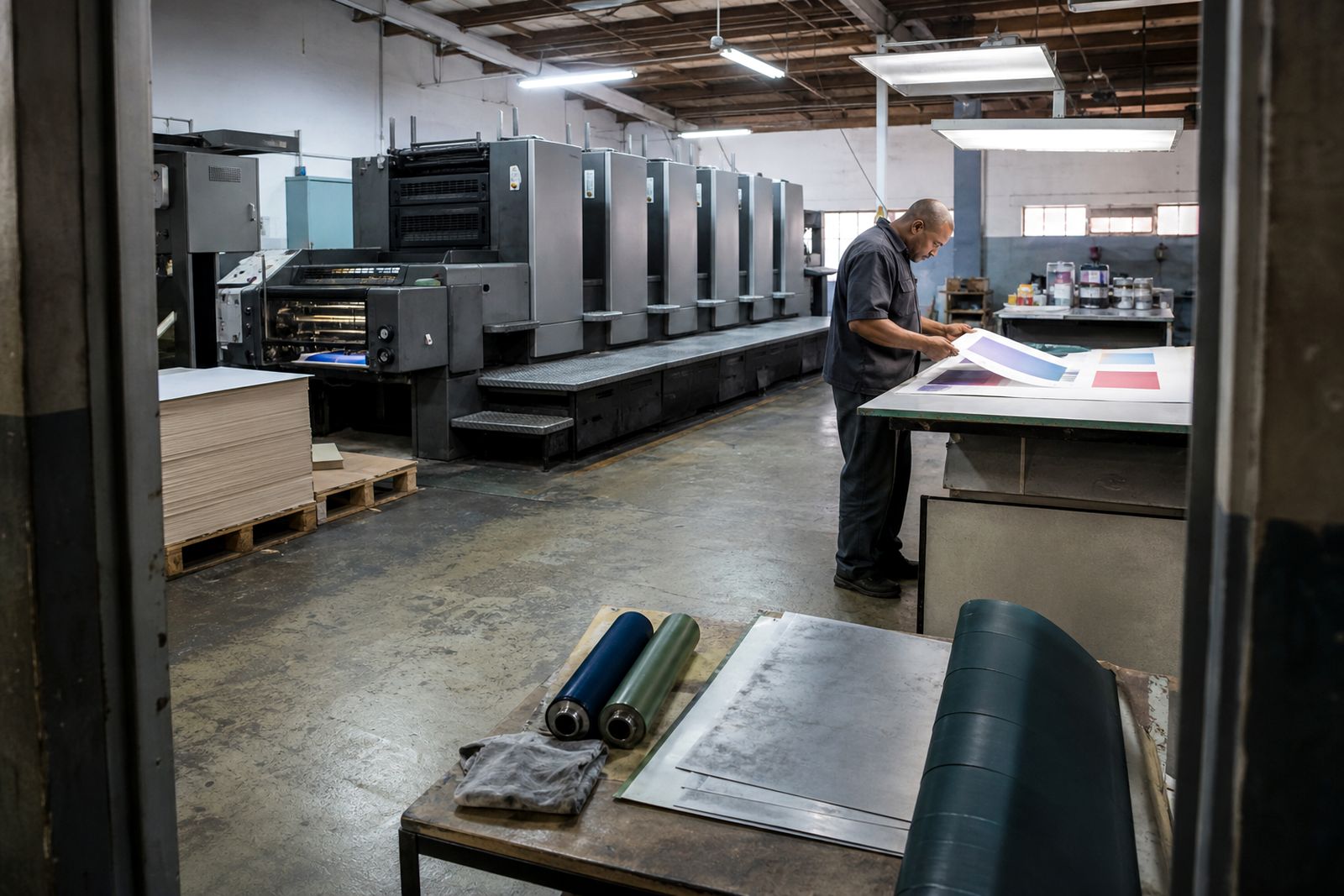
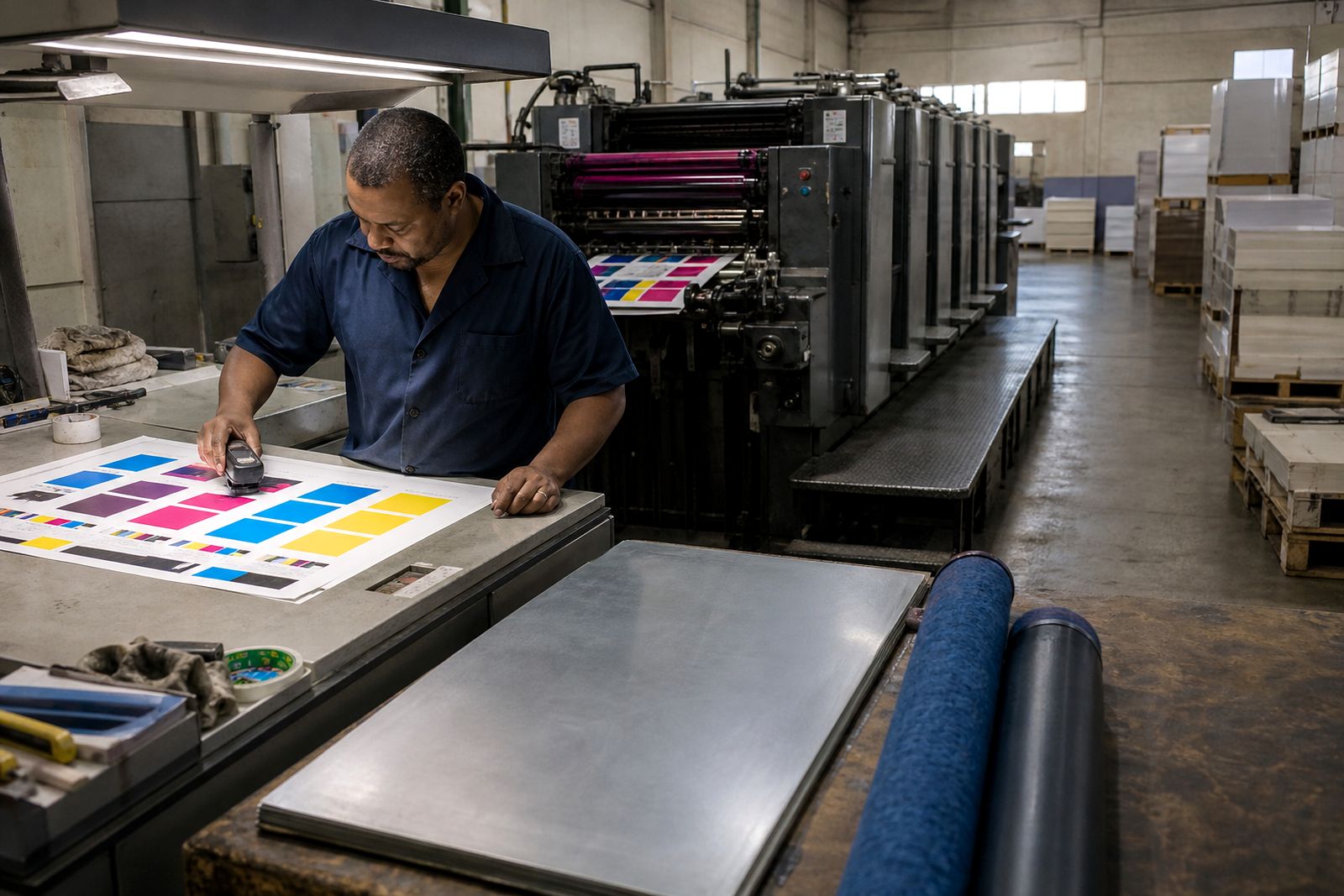

Tell us what your press room is running
Send a note through our contact form with your press make and format, the stocks and run lengths you handle, the plates, chemistry or blankets you use and your town, and we will come back with practical advice and a quote.
Open the contact form