

Dampening on Highveld mornings
Dry air changes water balance faster than coastal crews expect.
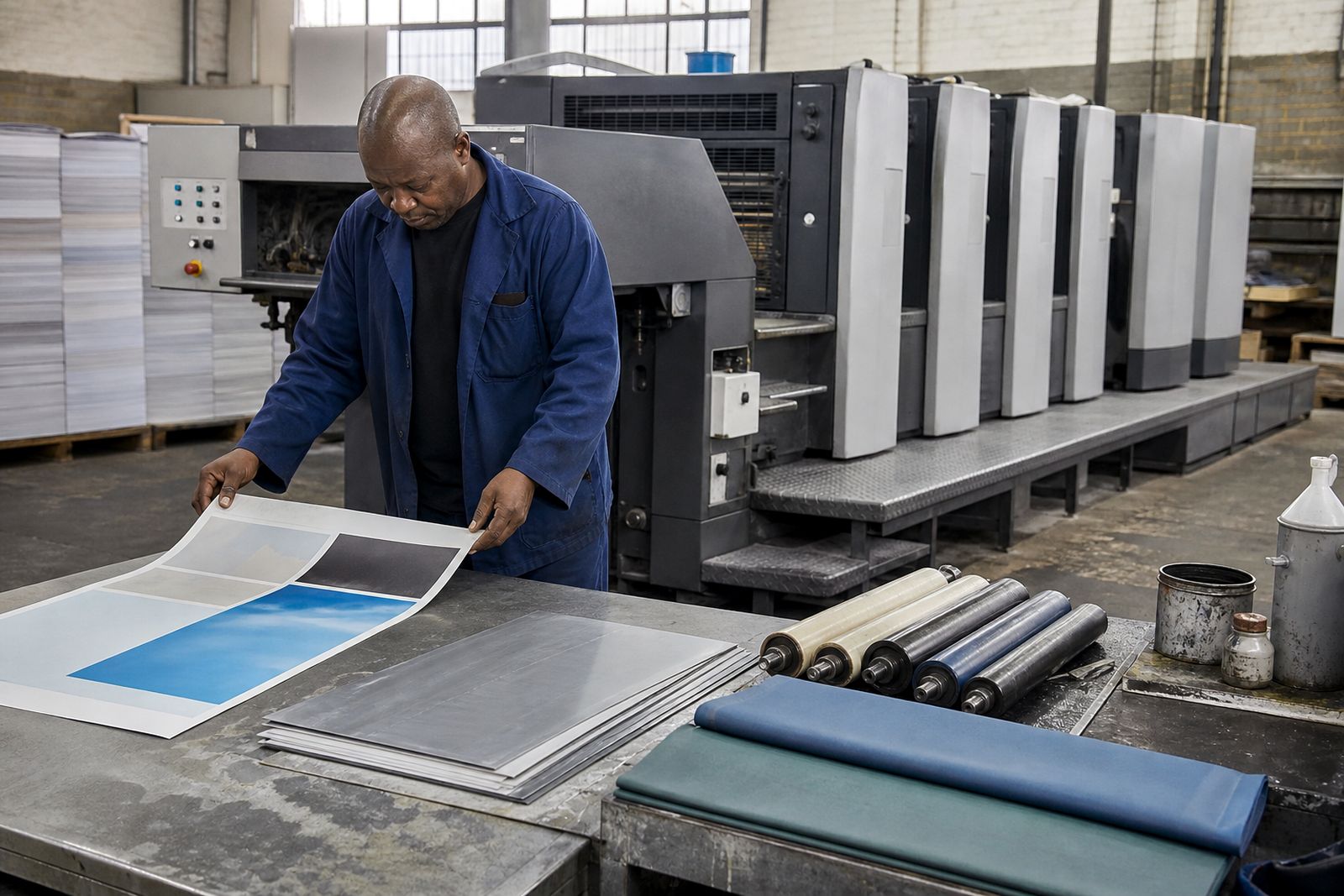
05:30 water balance on the Reef
Tracks fountain solution settings, roller condition checks, and morning start adjustments for sheetfed units on the inland plateau.
Highveld air at first start-up is usually drier and cooler than many coastal crews expect, especially around Johannesburg, Midrand, Centurion, and the East Rand. That changes how quickly a plate takes and sheds water during makeready. This note is for press leads who need clear checks on fountain mix, ink response, and sheet behaviour before the first clean stack is signed off.
A unit that ran well yesterday afternoon can ask for a different water setting the next morning inland. Gum, IPA substitute levels, roller stripe, and paper acclimatisation all show up sooner when the air is dry. Reduce start waste by checking the whole dampening system instead of chasing toning with extra water.
The same complaint comes up across Gauteng plants: light scum on the non-image area, then over-correction, then weak solids and slow ink pickup. In Durban humidity, some crews can recover with a small tweak. On the Highveld, the safer route is to verify pan level, metering contact, and plate wetting together so the shift does not spend an hour moving two controls against each other.
Start-up checks before first pull
Begin with the fountain solution itself, not the handwheel. Measure conductivity against your shop target, confirm temperature if the system is chilled, and look for overnight evaporation in the pan. Then pull a few sheets while watching the plate shoulders, non-image cleanliness, and whether solids fill before anyone adds more water to hide a roller or plate issue.
- Check pan level before inking up
- Verify conductivity against shop standard
- Watch non-image areas for early scum
- Note first stable water key position
- Record stock temperature from stores
If power cuts interrupted aircon or chilled circulation overnight, expect the fountain side to drift at start-up. Mark reject sheets clearly and keep them out of the good lift while settings settle. Preferred practice is to log the final conductivity, plate count, and the water position that gave a clean bar on the first acceptable sheet.
Useful references for inland shifts
Open Units for press layouts, Runs for sequence notes, and Resources for printable check cards used at the console. Use the contact form if you need to describe a dampening fault against a specific unit or stock grade.
Keep the message short and say where the scumming shows: plate edge, colour bar, or across the sheet. A note from Montague Gardens reads differently from one sent out of Kempton Park because humidity and overnight storage are not the same. If the job moved from a coastal site to an inland pressroom, say that plainly so water balance assumptions do not carry over.
Sample discussions at Clearwater, Cresta, Pavilion, and Tyger Valley work best when the actual printed sheet comes along. Bring the stock spec, fountain reading, and any striping notes from the unit. That gives the conversation something measurable instead of guesswork.
What our Offset Printing customers say
Verified Google reviews
Also worth a look
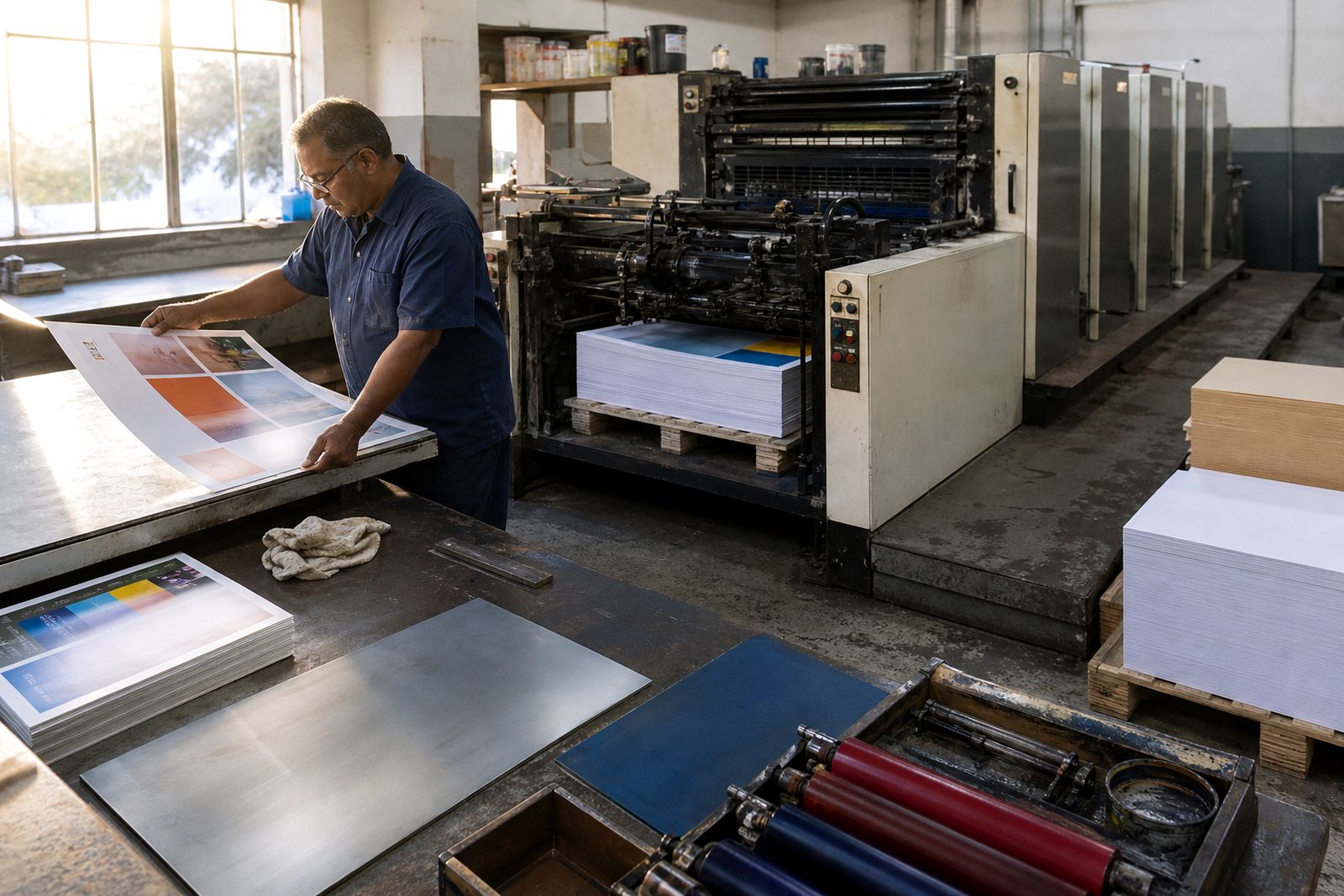
Tell us what your press room is running
Send a note through our contact form with your press make and format, the stocks and run lengths you handle, the plates, chemistry or blankets you use and your town, and we will come back with practical advice and a quote.
Open the contact form