

Reject pocket label
First twenty sheets must not re-enter the good stack.
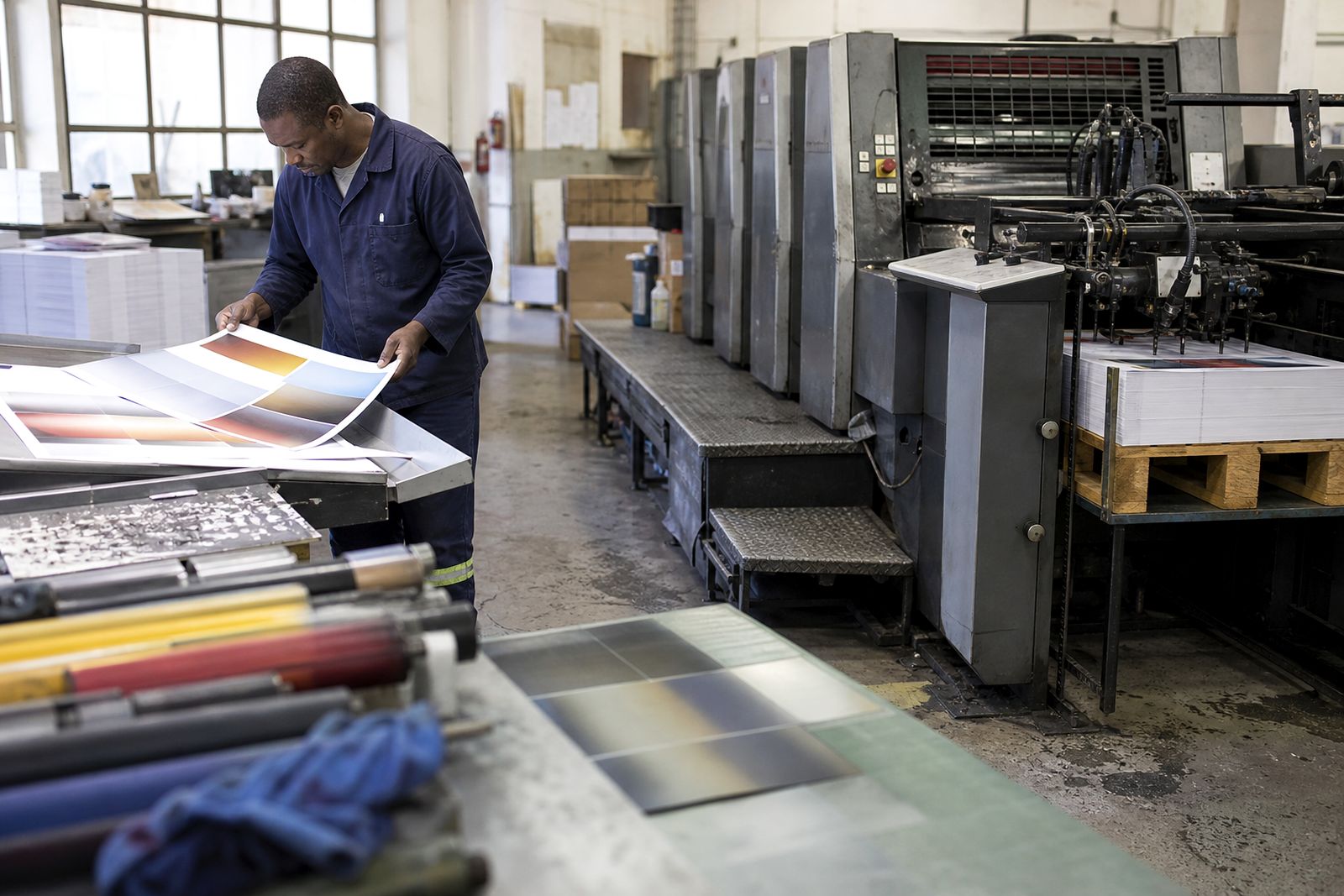
Reject pocket board wording
Sets out the reject-pocket wording that every feeder and delivery operator can follow on first pull.
Mark the reject pocket so the first twenty sheets cannot drift back into saleable work. A clear tag at delivery helps the whole crew separate start-up waste, wash-up sheets and any pull-outs from registration checks.
A reject pocket without a visible label becomes guesswork once pallets, joggers and samples start moving around the end of the press. In commercial offset, that confusion shows up later as mixed stacks, disputed waste figures and extra checking at guillotine. This note ties the label to the job ticket, the first-sheet count and the delivery-side stack position.
The wording also matters across sites that use different habits on the same kind of press. Midrand may say pull-out pile, while Pinetown may say spoilage pocket, and both can mean something slightly different during makeready. One plain label on the reject pocket keeps handovers tight and gives the next crew the same reference point.
Delivery-side checks before run
Start at delivery before the feeder reaches running speed. Fix a durable label where the catcher and press minder can both see it, then write the job number and the required reject count for start-up sheets. After that, confirm that any inspection pulls, hickey sheets and wash-up waste are directed to the same marked point unless the job card states a separate stack.
- Reject pocket tag visible from delivery
- First twenty sheets counted out
- Job number written on label
- Pull-out rule stated for shift handover
- Delivery note marked on ticket
When power cuts interrupt a run, check the reject pocket before restarting and before moving any stacks. Mixed sheets often appear after a stop because operators clear the line quickly and loose waste ends up near the good pile. Preferred practice is to relabel the pocket if the card is damp, ink-marked or torn.
Reject handling links
Use the pages under Units to match the delivery layout on your press, then check Runs for how start-up waste is counted on different job types. Resources can supply printable cards for bay use, and the contact form is there if a plant needs wording that fits its current ticketing method.
Note where the label sits at the delivery end, plus the count written for the first reject sheets. It also helps to say where the waste stack sits in relation to the good pile. Coastal plants should mention humidity, because damp paper tags curl and fall off more easily near the press.
Appointments at Clearwater, Cresta, Pavilion, and Tyger Valley can review the same reject-pocket wording on a live sample. Bring the actual stock and a used delivery tag if the current labels smear under spray powder or fountain solution.
What our Offset Printing customers say
Verified Google reviews
Also worth a look

Tell us what your press room is running
Send a note through our contact form with your press make and format, the stocks and run lengths you handle, the plates, chemistry or blankets you use and your town, and we will come back with practical advice and a quote.
Open the contact form