

Wine label sheet
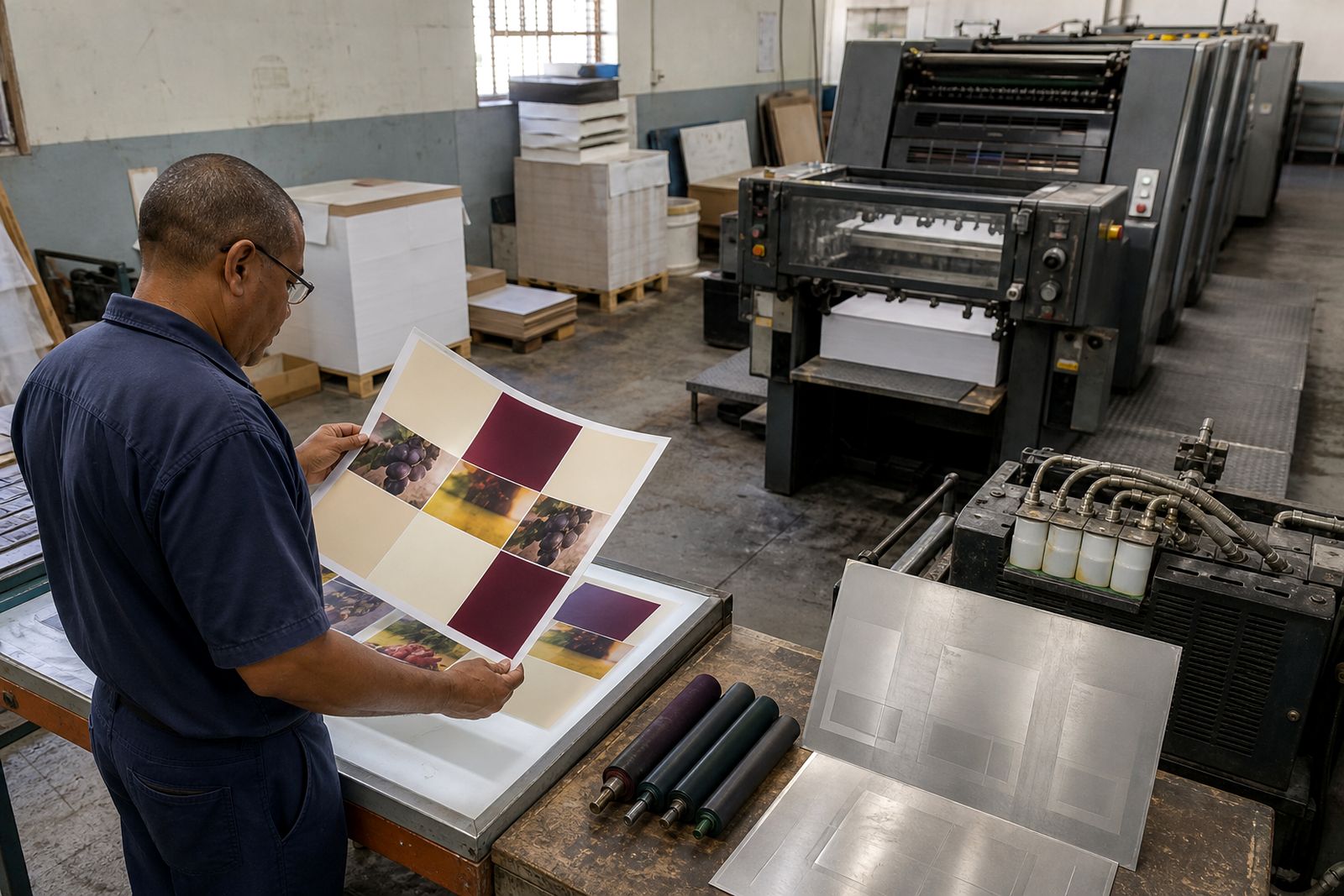
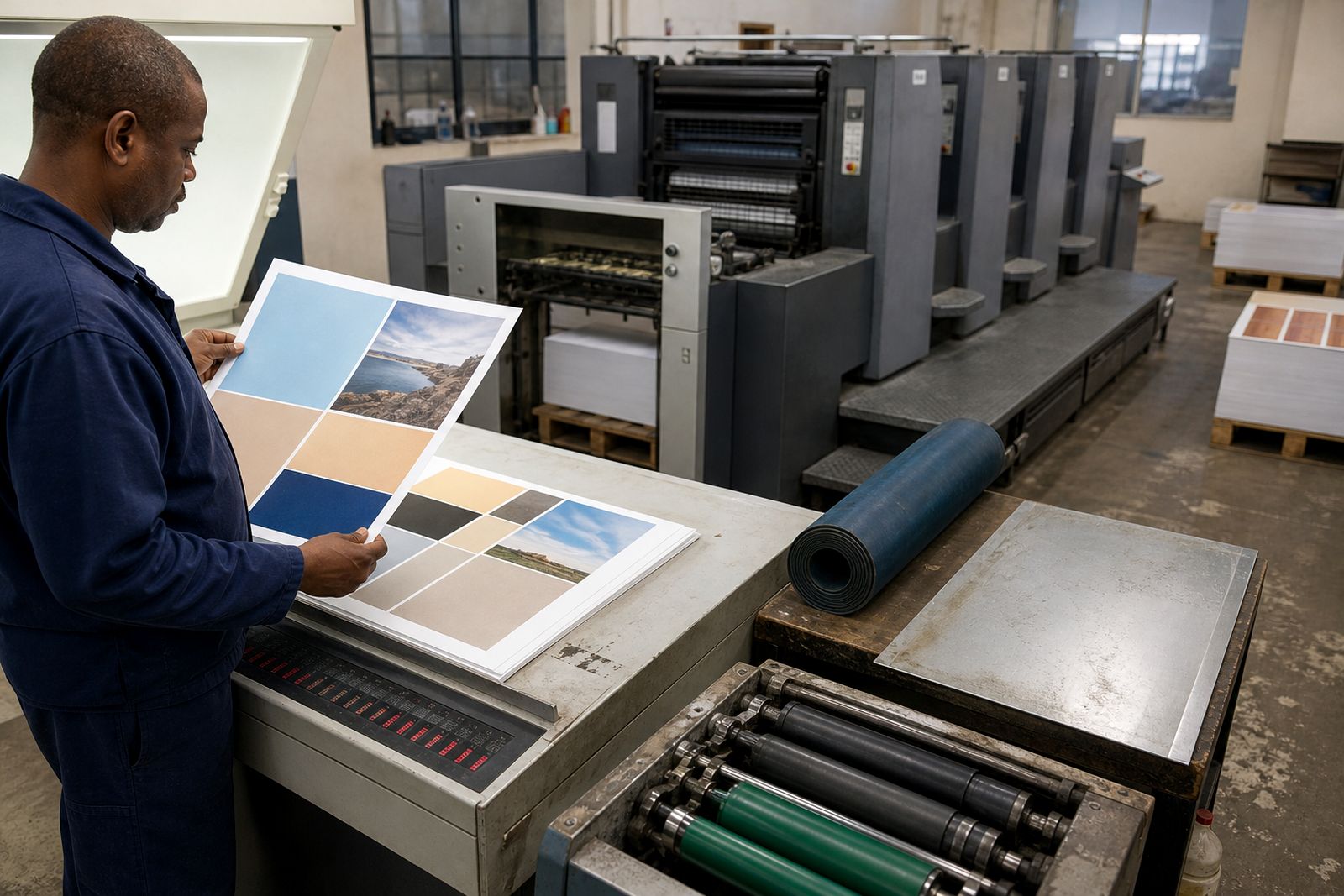
Wet-strength wine labels after coastal packing check.
Wet-strength label reference
Wet-strength wine labels after coastal packing check. Gallery pages are visual references for print rooms who want to see stock behaviour, not a sales carousel. Pair the sample with the matching run notes and unit checks before you brief us through our contact form.
This sheet shows wine labels on wet-strength stock after a coastal packing check, where moisture and carton rub matter more than shelf gloss. You are looking for edge curl, surface pick, and how the varnished face holds up once bottles are packed and moved.
Use this image against your own pulled sheet from the same label grade, not against an uncoated promo sample. Note whether failure starts at the shoulder label, neck label, or trim edge, then brief the fault in one short line.
Cape Town humidity and sea air can shift label behaviour between press room, finishing, and packing line. View the sheet under the same make-ready lighting you use on press, then recheck under warehouse light before you sign off density and varnish lay.
Checks before label approval
A gallery sample is a working reference, not a pass certificate. This one was kept to show how wet-strength wine labels read after handling near the coast. Bring it together with the matching run notes and unit checks before you brief us through our contact form.
When labels show scuffing, inspect varnish cure and pile pressure before opening colour. If the sheet tunnels or nips badly, check grain direction, carton conditioning, and delivery air before you blame the forme. Bottle labels often fail in packing long after press, so separate print fault from application damage.
Reverse card for label sheets
The reverse card should record label stock, adhesive class if relevant, unit sequence, varnish or laminate, and the defect this sample was kept to show. For wine work, include whether the issue appeared on press, at die-cutting, or after coastal distribution.
Keep the sample beside the current job card only while that label spec is running. Once the winery changes paper, emboss, or bottle size, pull the old reference so the next shift does not chase the wrong result. If you need a card layout, ask through our contact form and match it with the template in Resources.
Browse Units and Blankets when the sample points to packing or cylinder work rather than ink keys alone.
What our Offset Printing customers say
Verified Google reviews
Tell us what your press room is running
Send a note through our contact form with your press make and format, the stocks and run lengths you handle, the plates, chemistry or blankets you use and your town, and we will come back with practical advice and a quote.
Open the contact form